Eco-Friendly Residential Wildlife Pest Control Services in New York
As urban areas continue to expand, the delicate balance between human habitation and wildlife habitats is increasingly disrupted. New York, a bustling metropolis, is no exception to this phenomenon. The coexistence of humans and wildlife in residential areas often leads to conflicts, and effective pest control becomes essential. However, in the pursuit of managing wildlife-related issues, it is crucial to adopt eco-friendly practices that prioritize the well-being of both humans and the environment. This article delves into the realm of eco-friendly residential wildlife pest control services in New York, exploring the wildlife commonly involved, the methods employed, and providing valuable tips for homeowners to foster harmony with nature.
Wildlife Involved
New York's diverse ecosystem encompasses a wide range of wildlife, some of which may pose challenges when they encroach upon residential areas. Common wildlife species causing concerns in urban settings include raccoons, squirrels, skunks, opossums, rats, mice, and various bird species. Each of these animals can cause damage to property, pose health risks, and disrupt the peaceful coexistence of residents.
Raccoons
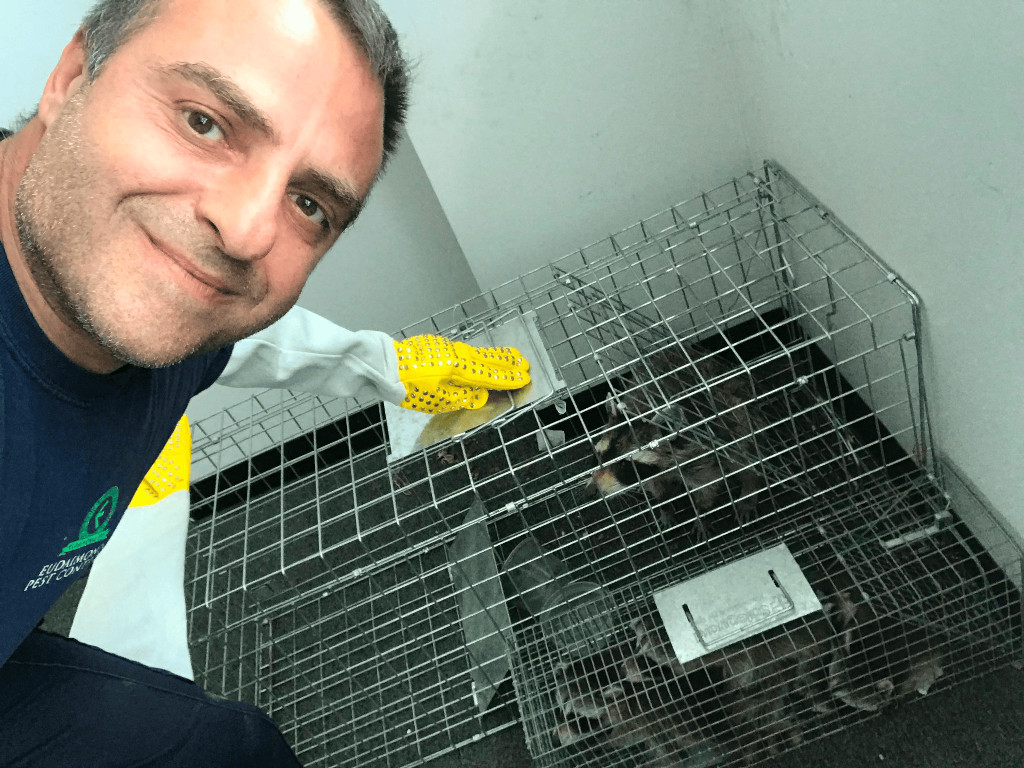
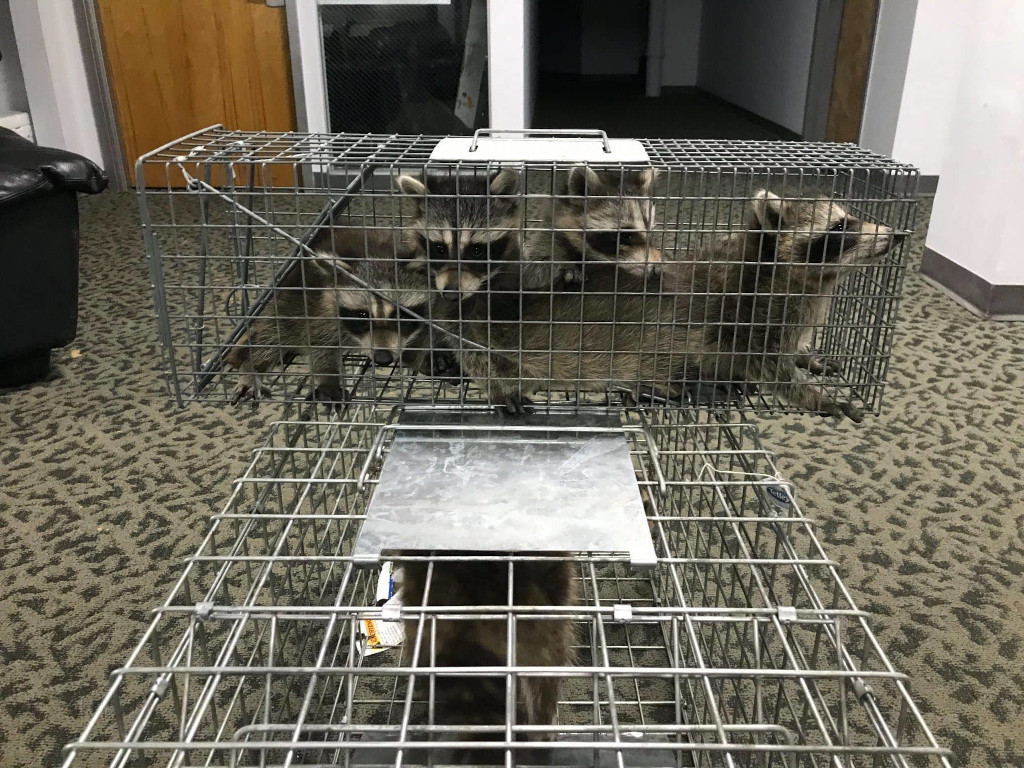
Raccoons are notorious for rummaging through garbage cans, creating a mess, and potentially spreading diseases. They are highly adaptable and can thrive in urban environments.
Squirrels
Squirrels are agile climbers and may enter homes through attics or chimneys. While seemingly harmless, their gnawing habits can damage electrical wiring and wooden structures.
Skunks
Skunks are known for their distinct odor and can spray when threatened. Encounters with skunks can result in unpleasant experiences for homeowners.
Opossums
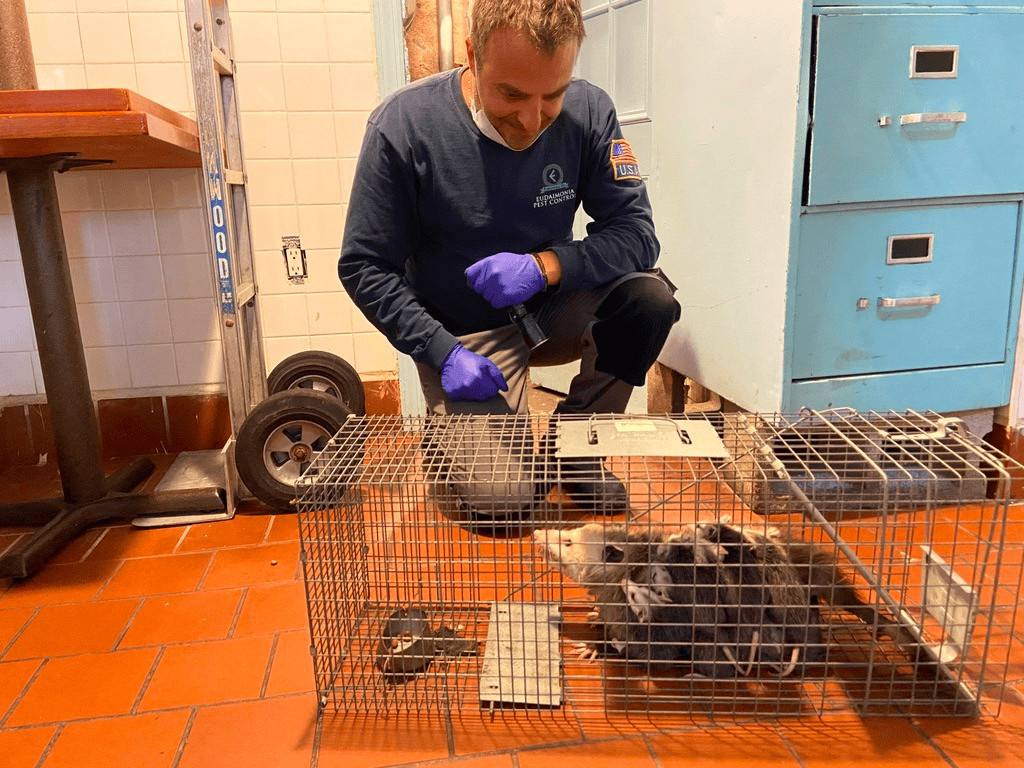
Opossums are nocturnal creatures that may seek refuge in residential areas. They are often perceived as a nuisance due to their scavenging habits.
Rodents (Rats and Mice)
Rats and mice are common urban pests that can carry diseases and cause structural damage by gnawing through various materials.
Birds
Certain bird species, such as pigeons and starlings, can create problems by nesting in or around buildings, leading to issues like unsightly droppings, property damage, and potential health risks.
Eco-Friendly Pest Control Methods
Traditional pest control methods often involve the use of chemical pesticides and traps, which can have detrimental effects on the environment, non-target species, and even human health. In response to these concerns, eco-friendly wildlife pest control services in New York prioritize humane, sustainable, and environmentally conscious approaches. Here are some key methods employed:
1. Exclusion Techniques
One of the primary eco-friendly strategies is to prevent wildlife from entering homes in the first place. This involves identifying and sealing entry points such as gaps in roofs, vents, and openings in walls. By implementing exclusion techniques, wildlife can be deterred without resorting to harmful substances.
2. Habitat Modification
Creating an environment that is less attractive to wildlife is an effective approach. This may involve removing potential food sources, securing trash bins, and making modifications to landscaping that discourage animals from taking up residence.
3. Humane Trapping
When wildlife needs to be removed from a property, humane trapping methods are preferred. Live traps allow for the capture of animals without causing harm, and once caught, they can be safely released back into their natural habitat.
4. Repellents
Eco-friendly repellents, often derived from natural substances, can be used to discourage wildlife from frequenting certain areas. These repellents are designed to be non-toxic and environmentally friendly while still effectively deterring unwanted animals.
5. Integrated Pest Management (IPM)
Integrated Pest Management is a holistic approach that combines various eco-friendly strategies. It involves monitoring, identifying, and implementing the most appropriate and least harmful methods to manage pests while minimizing environmental impact.
6. Educating Homeowners
An essential aspect of eco-friendly wildlife pest control is educating homeowners about coexisting with local wildlife. Simple practices like proper waste disposal, securing food sources, and routine property maintenance can contribute significantly to preventing conflicts with wildlife.
Tips for Homeowners
Empowering homeowners with knowledge and practical tips is crucial for fostering a harmonious relationship between residents and wildlife in New York. Here are some valuable tips for homeowners:
1.Secure Garbage Bins
Raccoons and other scavengers are attracted to garbage. Use wildlife-resistant bins or secure lids to prevent animals from accessing trash.
2. Seal Entry Points
Regularly inspect your home for potential entry points and seal them to prevent wildlife from entering. This includes gaps in roofs, openings in walls, and vents.
3.Trim Overhanging Branches
Squirrels and other climbers can use overhanging branches to access roofs. Trim branches to reduce potential entry points.
4. Proper Food Storage
Store pet food indoors and ensure that bird feeders are positioned in a way that minimizes spillage. This helps in reducing attractants for wildlife.
5. Consult Professionals
If wildlife issues persist, consult eco-friendly pest control professionals. They can assess the situation, implement humane solutions, and offer guidance on preventive measures.
6. Avoid DIY Chemical Solutions
Refrain from using DIY chemical solutions that can be harmful to both wildlife and the environment. Opt for eco-friendly alternatives or seek professional assistance.
7. Support Native Planting
Consider incorporating native plants into your landscaping. Native plants attract local wildlife and contribute to a healthier ecosystem.
Eco-friendly residential wildlife pest control services in New York represent a vital step towards maintaining a balance between urban development and the preservation of local ecosystems. By employing humane and sustainable methods, homeowners can effectively address wildlife-related issues without causing harm to the environment or the animals involved. Educating residents about coexisting with wildlife and adopting eco-friendly practices is essential for creating a sustainable and harmonious living environment in the urban landscape of New York. Through a combination of exclusion techniques, habitat modification, and humane trapping, residents can enjoy a peaceful coexistence with the diverse wildlife that shares their urban space
Eco-Friendly Commercial Wildlife Pest Control Services
In the bustling urban landscape of New York, commercial spaces often find themselves contending with the challenges of coexisting with wildlife. As businesses strive to maintain a clean and safe environment, the presence of wildlife can pose unique problems. Eco-friendly commercial wildlife pest control services have emerged as a sustainable solution to address these issues while minimizing the impact on the environment. Th
Wildlife Involved
Commercial spaces in New York can attract a diverse array of wildlife, each presenting its own set of challenges. The most common wildlife encountered in commercial settings include:
Pigeons
Pigeons are a ubiquitous sight in urban environments and can be particularly troublesome for businesses. They roost on buildings, ledges, and signs, leading to the accumulation of droppings that not only look unsightly but can also damage property and pose health risks.
Rats and Mice
Rodents are a perennial issue for businesses, especially those involved in food services. Rats and mice can contaminate food, damage property, and spread diseases.
Raccoons
Raccoons are adaptable creatures that can thrive in urban environments. They are notorious for rummaging through dumpsters and can cause property damage in their quest for food.
Squirrels
Squirrels, with their gnawing habits, can damage buildings by chewing through wiring, insulation, and other materials. They may also pose a threat to outdoor seating areas and landscaping.
Skunks
Skunks, known for their distinctive odor, can create problems for businesses when they decide to take up residence on the premises. Encounters with skunks can lead to unpleasant experiences for employees and customers.
Birds
Various bird species, including starlings and seagulls, may find commercial spaces attractive for nesting. Bird droppings can cause aesthetic issues and, in some cases, damage building structures.
Eco-Friendly Pest Control Methods
Eco-friendly commercial wildlife pest control services prioritize humane and sustainable methods to address wildlife issues without causing harm to the animals or the environment. These methods are designed to be effective, long-lasting, and in compliance with ethical standards. Here are some key eco-friendly pest control methods employed by commercial services in New York:
1. Exclusion and Sealant Techniques
Preventing wildlife from entering commercial spaces is a primary focus of eco-friendly pest control. Professionals conduct thorough inspections to identify and seal entry points, ensuring that wildlife cannot access the interior of buildings.
2. Humane Trapping and Removal
When wildlife needs to be removed, humane trapping methods are preferred. Live traps are used to capture animals without causing harm, and they are subsequently released in appropriate natural habitats.
3. Avian Deterrents
For businesses dealing with bird-related issues, avian deterrents are employed. These may include bird spikes, netting, and visual deterrents designed to discourage roosting and nesting without causing harm to the birds.
4. Eco-Friendly Repellents
Natural and non-toxic repellents are used to discourage wildlife from frequenting commercial spaces. These substances are environmentally friendly and safe for both wildlife and humans.
5. Habitat Modification
Making commercial spaces less attractive to wildlife through habitat modification is a proactive approach. This may involve removing food sources, securing trash areas, and implementing landscaping changes that discourage animals from taking up residence.
6. Integrated Pest Management (IPM)
Integrated Pest Management is a comprehensive strategy that combines various eco-friendly methods to manage pests effectively. It involves ongoing monitoring, identification of pest issues, and the implementation of the most appropriate and least harmful solutions.
7. Education and Consultation
Eco-friendly commercial wildlife pest control services often include education and consultation for business owners and staff. This helps create awareness about the importance of coexisting with wildlife and provides guidance on preventive measures.
Tips for Business Owners
Proactive management of wildlife issues in commercial spaces is crucial for maintaining a positive environment for employees and customers. Business owners can take several measures to reduce the risk of wildlife encounters and address issues promptly. Here are some valuable tips:
1. Regular Inspections
Conduct regular inspections of the property to identify potential entry points and areas where wildlife may be present. Early detection allows for timely intervention.
2. Secure Dumpsters and Food Storage
Ensure that dumpsters are secured to prevent access by raccoons and other scavengers. Proper food storage practices are essential for minimizing attractants for rodents and other wildlife.
3. Professional Pest Inspections
Schedule regular professional pest inspections to assess the state of the property and identify potential issues. Early detection and intervention can prevent wildlife problems from escalating.
4. Employee Training
Train employees on best practices for dealing with wildlife encounters. This includes reporting sightings promptly and avoiding actions that may exacerbate the situation.
5. Implement Preventive Measures
Work with pest control professionals to implement preventive measures, such as exclusion techniques and habitat modification, to make the commercial space less appealing to wildlife.
6. Respond to Issues Promptly
Address wildlife-related issues promptly to prevent them from escalating. Quick and humane removal of wildlife, coupled with preventive measures, is key to minimizing disruptions to business operations.
Eco-friendly commercial wildlife pest control services in New York play a crucial role in helping businesses manage and prevent wildlife-related issues while adhering to ethical and environmentally conscious practices. By employing humane trapping, exclusion techniques, and avian deterrents, these services provide effective solutions without causing harm to the animals or the surrounding environment. Business owners can contribute to the success of these efforts by adopting proactive measures, implementing preventive strategies, and fostering a culture of awareness among employees. The coexistence of businesses and wildlife in New York's urban landscape can be achieved through a combination of eco-friendly pest control methods, education, and collaborative efforts to create spaces that are safe, clean, and harmonious for both humans and wildlife.