Call for immediate attention 917-710-0947. Customer service 718-751-5081

How Many Ants Are in a Colony? The Complete Answer

When observing ants marching in a line across your kitchen counter or building impressive mounds in your garden, you might wonder: how many ants are in a colony? The answer varies dramatically depending on the species, environment, colony age, and other factors. This comprehensive guide explores the fascinating world of ant populations and provides detailed insights into colony sizes across different ant species.

Key Takeaways:

  • Ant colony populations range from just a few dozen to several million individuals
  • The largest super-colonies can contain billions of ants spanning thousands of miles
  • Colony size is determined by ant species, age of the colony, geographical location, and available resources
  • Different ant species have evolved distinct colony structures to suit their ecological niches

Understanding Ant Colony Populations

Ants are among the most successful organisms on Earth, with over 12,000 known species inhabiting nearly every terrestrial ecosystem. Their success largely stems from their highly organized social structures centered around colonies.

The Typical Range of Ant Colony Sizes

The number of ants in a colony varies enormously:

  • Small colonies: 50-2,000 ants

    • Temnothorax species often have colonies of just 50-400 workers
    • Primitive ant species like Amblyopone may maintain colonies of fewer than 100 individuals
  • Medium colonies: 2,000-50,000 ants

    • Common garden ants (Lasius niger) typically maintain colonies of 4,000-7,000 workers
    • Carpenter ants (Camponotus spp.) usually have colonies of 10,000-20,000 individuals
  • Large colonies: 50,000-500,000 ants

    • Fire ant (Solenopsis invicta) colonies often contain 100,000-500,000 workers
    • Leaf-cutter ant colonies (Atta spp.) frequently exceed 200,000 individuals
  • Super-colonies: Millions to billions of ants

    • Argentine ant (Linepithema humile) super-colonies can contain billions of individuals
    • The largest known super-colony of Argentine ants spans from Spain to Italy, containing an estimated billions of workers

Notable Species and Their Colony Sizes

Let's examine some well-known ant species and their typical colony populations:

1. Harvester Ants (Pogonomyrmex)

Harvester ant colonies typically contain 10,000-20,000 individuals. These ants are known for collecting seeds, which they store in underground granaries. Their colonies feature extensive tunnel systems that can extend several feet below the surface, providing space for their moderate-sized populations.

2. Fire Ants (Solenopsis invicta)

Fire ant colonies are among the larger ant societies, housing between 100,000-500,000 individuals. A mature fire ant colony can contain:

  • One or more queens
  • Workers of various sizes and ages
  • Brood (eggs, larvae, and pupae)
  • Winged reproductive males and females (during breeding season)

Their distinctive mounds can reach 18 inches in height and 24 inches in diameter, accommodating their substantial populations.

3. Leaf-cutter Ants (Atta species)

Leaf-cutter ant colonies represent some of the largest and most complex ant societies, containing 200,000-5,000,000 individuals. These impressive colonies feature:

  • A single queen who may live for 10-15 years
  • Several specialized worker castes of different sizes
  • Extensive underground chambers for growing fungus gardens
  • Waste management systems and specialized trash chambers

A mature Atta colony can excavate several tons of soil, creating living spaces that span hundreds of square feet underground.

4. Army Ants (Eciton burchellii)

Army ant colonies typically contain 300,000-700,000 workers. Unlike most ant species, army ants are nomadic and don't construct permanent nests. The entire colony, including the queen and brood, moves as a single unit. During stationary phases, the workers form a temporary nest called a bivouac using their own bodies to protect the queen and brood.

5. Argentine Ants (Linepithema humile)

Argentine ants have revolutionized our understanding of how large ant colonies can become. In their native South America, they form colonies of moderate size with territorial boundaries. However, in introduced regions like Europe, North America, and Australia, they form super-colonies where individuals from different nests cooperate rather than compete.

The largest known super-colony stretches along the Mediterranean coast for 3,700 miles, containing billions of workers and millions of queens. In California, a super-colony extends 560 miles along the coast, with an estimated trillion individuals.

Factors Affecting Colony Size

Several factors influence how many ants live in a colony:

1. Species-Specific Constraints

Each ant species has evolved to maintain colonies of particular sizes based on their ecological niche, foraging strategies, and reproductive capabilities. Some species genetically favor smaller colonies that can remain hidden, while others thrive through sheer numbers.

2. Colony Age

Most ant colonies begin with a single queen who raises the first generation of workers. Colony population naturally increases over time:

  • New colonies: 1-100 ants
  • Established colonies (1-2 years): 1,000-10,000 ants
  • Mature colonies (3+ years): Varies by species from thousands to millions

3. Resource Availability

Colony growth is directly tied to available resources. Factors affecting resource availability include:

  • Food sources within foraging range
  • Water availability
  • Suitable nesting space
  • Competition from other colonies
  • Environmental conditions

4. Queen Fertility and Lifespan

The queen's egg-laying capacity significantly impacts colony size. Some queens can lay thousands of eggs daily, while others produce much fewer. Queen longevity also matters—some species' queens live only a few years, while others may survive for decades, continuously producing offspring.

5. Multi-Queen Colonies

Some ant species maintain colonies with multiple egg-laying queens (polygyny), which can dramatically increase colony size. For example:

  • Pharaoh ants (Monomorium pharaonis) may have hundreds of queens in a single colony
  • Argentine ant super-colonies contain thousands of queens working cooperatively
  • Some fire ant colonies can have up to 200 queens

Colony Size Dynamics Throughout the Year

Ant colony populations aren't static but fluctuate seasonally:

Spring Growth

In temperate regions, colony population typically increases in spring when:

  • Queens increase egg production after winter diapause
  • More resources become available
  • Temperature and humidity become more favorable

Summer Peak

Most colonies reach peak population during summer when:

  • Food resources are abundant
  • Longer days allow extended foraging
  • Favorable temperatures accelerate brood development

Fall Preparation

As fall approaches, many colonies:

  • Reduce worker production
  • Produce reproductive males and females for mating flights
  • Begin stockpiling resources for winter

Winter Reduction

During winter in colder regions:

  • Some worker ants die off
  • Queens reduce or stop egg production
  • The colony enters a semi-dormant state
  • Overall population decreases

Measuring Ant Colony Populations

Scientists use several methods to estimate how many ants live in a colony:

1. Mark-Release-Recapture

Researchers capture, mark, release, and recapture ants to estimate population size using statistical models. The proportion of marked ants in the second sample helps calculate the total population.

2. Complete Excavation

For smaller colonies, scientists may carefully excavate the entire nest, collecting and counting all individuals. This destructive but accurate method reveals exact population counts and caste ratios.

3. Volumetric Estimation

For very large colonies, researchers may:

  • Excavate a known portion of the colony
  • Count ants in that portion
  • Calculate total population based on estimated nest volume

4. Monitoring Entrance Activity

By counting ants entering and exiting the nest over time, researchers can estimate colony size based on activity patterns and foraging rates.

Record-Breaking Ant Colonies

The question "how many ants are in a colony" reaches mind-boggling proportions when considering these record holders:

The Mediterranean Super-Colony

The Mediterranean super-colony of Argentine ants stretches from Spain through France to Italy, containing billions of cooperative ants that recognize each other as nestmates despite being separated by thousands of miles.

The Australian Super-Colony

In 2004, researchers discovered a super-colony of Yellow Crazy Ants (Anoplolepis gracilipes) in Australia with an estimated 84 million workers and 1.1 million queens spread across 620 hectares.

The Japanese/Californian/European Super-Colony

Genetic studies suggest that Argentine ants in Japan, California, and Europe may all belong to a single global super-colony spanning three continents, potentially representing the largest cooperative animal group ever discovered.

The Remarkable Variability of Ant Colony Populations

So, how many ants are in a colony? As we've seen, the answer ranges from just a few dozen to billions, depending on species, colony age, environmental conditions, and social structure. This extraordinary variability demonstrates ants' remarkable adaptability and helps explain their ecological success across nearly every terrestrial ecosystem.

From the tiny acorn ant colonies with fewer than 100 individuals to the mind-boggling super-colonies containing billions of ants, these remarkable insects have evolved diverse strategies for colony size that suit their particular ecological needs and challenges.

Understanding ant colony populations not only satisfies our curiosity but also helps us appreciate the complex social structures that have made ants one of the most successful organisms on our planet for over 100 million years.

Your input is important to us. Please provide your valuable feedback.
Here are some testimonials from our clients:

Request a Free Evaluation

  • stars

    "Outstanding Service! Eudaimonia is the go-to for pest control. They were professional, punctual and incredibly through in treating our mixed use building which houses our office and 2 family rental! Not only did they eliminate the problem quickly, but they also took the time to explain preventive measures to keep pests away for good. Friendly staff, affordable pricing and effective results - high recommend - Ask for the owner Lefteris!!"
    Peter Tsimis
  • stars

    "I highly EUDAIMONIA Pest Control and I am confident that you will not regret the call. Mr. Lefteris and his staff really know their jobs well and I am extremely pleased with their service. Mr. Lefteris came over to my multiple family home and knew exactly what needed to be done. I had a heavy roach problem that was overwhelming me and my family. Over night the roaches took over and I needed immediate help. I am grateful for the friend of mine that referred me to this company because I honestly pledge that today the house is pest free. He was able to do what was needed to be done and a year later I don’t see a single crawler. You will not regret the call if you need someone to clear out the unwanted guests. Not only is he and his staff great at their jobs, they genuinely care about getting the house pest free as quick as possible. To say the least I am grateful."
    George Malandrakis
  • stars

    "Over the years I have used several pest control services but none have been as thorough, efficient and reasonable as Eudaimonia. Their goal is to get the job done and please the customer."
    john frangos
  • stars

    "The top shelf service and consultation from Eudaimonia Pest Control has been a valuable asset for our restaurant. Eudaimonia's crew genuine care and professionalism have been a key to our maintenance of the Health Code and our continuing straight "A" grades all these years by the NYC Department of Health."
    Valanti Gianniris
  • stars

    "Incredible service from start to finish! Lefty put my concerns at ease, and was available whenever I had any questions, day or night. He is vey thorough, professional, patient and beyond helpful during what was a stressful time. I highly recommend working with Lefty and his team. They're the best!"
    Alexis Smith
  • stars

    "Lefty has provided excellent service to our apartment building. He is extremely thorough and patient. Highly recommend!"
    Erica Hammond
  • stars

    "Excellent service! Best pest control in town. Very trustworthy!"
    Dimitris Filippides
  • stars

    "Amazing service very efficient went above and beyond highly recommended great follow up sincere and cares about customers needs would give 6 stars if I could"
    Militsa Anexagorou
  • stars

    "The service was above and beyond! I would give more stars if I could. I called and on the very same day I had my apartment inspected and the following day treated. Very professional treatmeant! Lefty is great!!! And the best part is that you get follow up phone calls to make sure everything is ok! Awesome! Will Recommend this company to anyone who asks!"
    Kelia
  • stars

    "Thank You for providing the best service we ever experienced even though a difficult place to work in. Great approach of the technicians and customer care. In one word - PROFESSIONALS."

    Residential Customer, Astoria. New York
    11 March 2018

    Alan
  • stars

    "Amazing service very efficient went above and beyond. Highly recommended, great follow up, sincere and cares about customers needs. Would give 6 stars if I could."

    Residential customer, private house, East Meadow, 11554
    29 August 2017

    Lisa Anexagorou
  • stars

    "Very pleasant and informative. Was on time and did a great job. Would definitely hire again. And very reasonable."

    Residential customer, Manhattan apartment, 118 street, New York, 10035
    29 July 2017

    Ivette R
  • stars

    "Far and away the best exterminator I have worked with. Lefty, the owner /operator is thorough and effective. He safely rid my upper east side apartment of water bugs. I would highly recommend him."

    Upper East side, New York
    27 July 2017

    Residential Customer
  • stars

    "Eudaimonia Pest Control was amazing! The technician came as soon as requested. He was so nice and did an amazing job using gels and sprays. He definately knew what he was talking about and just how to fix the problem! So thankfull to have had him!"

    Residential customer, Manhattan apartment tenant, 3rd Avenue, New York,10128
    21 July 2017

    Haitte H.
  • stars

    "I am very pleased with the service they provided me. They are very professional. Lefty is very knowledgeable and offers great advice. He does a great job. Highly recommended!"

    Residential customer, private house, Ditmars Blvd, Astoria, New York
    20 June 2017

    Anna M.
  • Bocca
    stars

    "Great service and professional work. Highly recommended!"

    Restaurant manager, 828 9th Ave A, New York, NY 10019
    17 June 2017

    Daniele Santo, Bocca di Bacco Restaurant
  • Uncle Nicks
    stars

    "I manage a restaurant in Midtown Manhattan and got to say I was using this one exterminator for many years and he wasn't doing the job I expected from him. As soon as I found Eudaimonia Pest Contol and started using there services I can not be any happier. I would recommend this company to anyone in need. Always on time and gets the job done the way any Restaurant expects it to be done. Especially being a restaurant in NYC and dealing with what any city restaurant has to deal with. I would give 6 stars if I could."

    Restaurant manager, 747 9th Ave, 10019 New York
    18 January 2017

    Andrew Petrak
  • Bernard Keegan
    stars

    "I highly recommend Eudaimonia pest control. The service was excellent and very professional. They are dependable and truly care about their work."

    Residential customer, Rockaway Park, New York
    08 December 2016

    Bernard Keegan
  • Angelo Valavanis
    stars

    "Very professional and very efficient. I saw the difference in my restaurant when I tried Eudaimonia Pest Control. Thank you."

    Restaurant owner, Astoria, New York
    24 November 2016

    Angelo Valavanis
  • Gyro Express
    stars

    "The top self service and consultation from Eudaimonia Pest Control has been a valuable asset for our restaurant. Eudaimonia's crew genuine care and professionalism have been a key to our maintenance of the Health Code and our continuing straight "A" grades all these years by the NYC Department of Health"

    7706 21st Ave, East Elmhurst, NY 11370
    24 November 2016

    Gyro Express
  • stars

    "By far the best company in all of my years living in NYC apartments. Eleftherios is professional and knowledgeable. Eudaimonia Pest Control is pests worst nightmare!"

    Residential customer, 107-10 Shore Front Parkway
    21 October 2016

    N Campbell
  • stars

    "We've tried multiple companies for a permanent solution with our problems. Eudaimonia was the only one that dig deep into our problems and found an affordable solution. We are 100% satisfied with their professionalism and unique solutions they provide us."

    Commercial Building, Astoria, Queens
    13 October 2015

    Mike Liakos
  • Mary ORourke RN
    stars

    "We are a busy Doctors office in Rockaway and have wonderful pest control with Eudaimonia Pest Control Specialists. They are very responsive to our needs ,come quickly when needed and follow up quickly. I would highly reccommend this excellent service wholeheartedly. Sincerely"

    Doctors Office, 1 Bach 105 St, Rockaway Park, NY, 11694
    16 September 2016

    Mary ORourke RN
  • stars

    "I am a residential customer and the service I received was excellent. I had a serious problem in my apartment and with a commitment that is rarely seen Eudaimonia pest control technician addressed the issue, and even came to my apartment on his day off to keep on top of the problem. It took four weeks but problem solved. Cant say enough about the service and professionalism."

    Residential Customer, 10710 Shore Front Pkwy, Rockaway Park, NY 11694
    28 August 2016

    E.Casey
  • Fresko
    stars

    "I am using Eudaimonia Pest Control for my pest control needs in my commercial food establishment I own in Astoria for 2 years “Fresk'o Yogurt & Cafe” and I am totally satisfied with their professionalism and quality services. They are working very hard and are very patient with all my inquires. This is the best business I could have hoped for, I highly recommend them. I couldn't ask for better services."

    Fresk'o Yogurt & Cafe Owner, 31-19 30th Ave, 11102 Astoria
    16 September 2016

    Guz Prentzas
  • stars

    "I'm using Eudaimonia's pest services for more than one year. We've never experienced such a professional service and so great results. I'm a restaurant owner for more than 30 years and I totally suggest Eudaimonia for your pest control."

    Restaurant Owner, Manhattan
    05 September 2015

    George B.
Eudaimonia logo
  • Contact Info

    Call for immediate attention
    917-710-0947
  • E-Mail Address

    This email address is being protected from spambots. You need JavaScript enabled to view it.
  • Customer service

  • Address

    306 Throop St, West Babylon, NY 11704
  • Socials

Find Us

Request a Free Evaluation

  • Cockroaches

    Common Cockroaches in New York

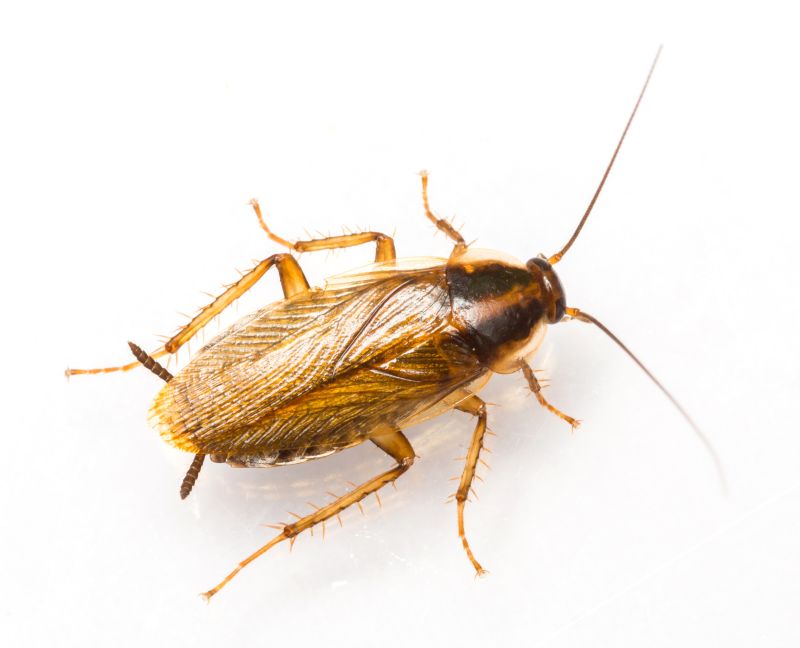
    Cockroaches/Blattodea Cockroaches are insects of the order Blattodea, are considered one of the most successful groups of animals and they are among the most common of insects. They are the most successful ancient insect on the planet. Fossil evidence indicates that cockroaches have been on earth approximately 320 million years. Cockroaches are “living fossils”. This means that their basic shape and appearance has not changed for millions of years. Fossil remains of cockroaches have been dated before the appearance of the Dinosaurs and appear virtually identical to cockroaches we find today. Cockroaches will eat anything and can survive absolutely anywhere other than the Polar Regions and above 2,000 meters in elevation. Some can live without water, can fly, are the fastest insect and can survive high levels of radiation. About 4,600 species of cockroaches exist worldwide, 69 species found in the United States. In the New York State, only four species are common pests in structures. These are the German, Brown-banded, Oriental, and American cockroaches.

  • Blood Feeders

    Common Blood Feeders in New York

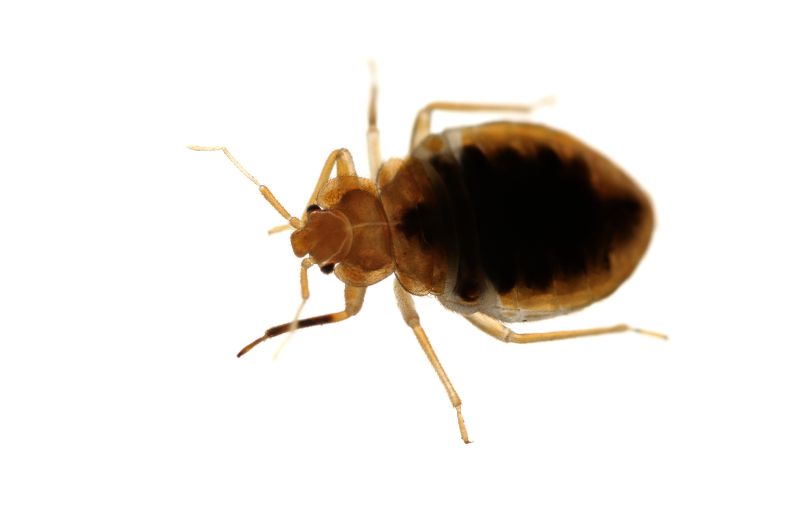
    Bed bugs are parasitic insects of the cimicid family that feed exclusively on blood. The common bed bugs are the best known as they prefer to feed on human blood. The name "bed bug" derives from the preferred habitat of warm houses and especially near or inside beds and bedding or other areas around the house. Bed bugs are mainly active at night, but are not exclusively nocturnal. They usually feed on their hosts without being noticed. A number of adverse health effects may result from bed bug bites, including skin rashes, psychological effects, and allergic symptoms. Bed bugs are not known to transmit any pathogens as disease vectors. Certain signs and symptoms suggest the presence of bed bugs and finding the adult insects confirms the diagnosis. Bed bugs have been known as human parasites for thousands of years. They are potential to contaminate food with bacteria and other disease-producing organisms.

  • Rodents

    Common Rodents in New York

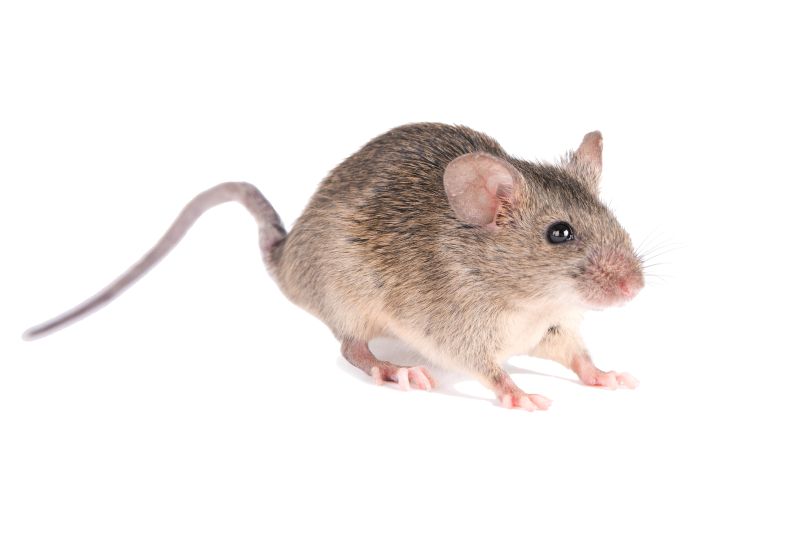
    Mice and rats are rodents, often considered pests, many of which are native wild species that lived in this region long before home and farms existed to infest. Today, many of them, including non-native species, have adapted to life alongside humans. Their presence does not necessarily equal infestation or squalor conditions, rather that food, water, and nesting sites are adequate. Rodents have the typical large, broad, and yellow incisors, adapted for constant gnawing. These teeth continuously grow, replacing what is worn away by the gnawing of wood, plastic, and even metal. The teeth are well adapted for grains and fruits, although some rodents supplement their diet with insects and worms. With long tails, large snouts, and large external ears, these small rodents are very adaptable and prolific and can be found pretty much everywhere around the world. In New York we have 3 rat and 5 mouse species, with one invasive (but established) rat, and one native species presumed to be eliminated from the state. Rodents living close to people and in their structures are called commensal rodents. Rodents will eat anything that humans eat and they need to gnaw. It's a common part of their behavior. Rat teeth continually grow, at a rate of about five inches per year. In order to keep the length of the teeth in check, the rats chew on things to wear the teeth down, their constant gnawing behavior causes structural damage and when electrical wires are the target of their gnawing, they can start fires and damage sensitive electronic items. Both rats and mice carry diseases that are transmittable to humans. These include salmonella food poisoning, Leptospirosis, LCM, Hanta Virus and other diseases that can make people sick. Their droppings, urine and hair contaminate the environment and cause sensitive people to experience allergic reactions from these biological materials. Mice and rats contaminate stored food items with their fecal material, urine and hair.

  • Termites

    Common Wood Destroying Insects in New York

    Termites are social insects belonging to the order of Isoptera. The Termite colony has three primary castes: workers, soldiers and the reproductives the king and the queen. They can utilize wood cellulose and this is their basic difference from other insects. termites mostly feed on dead plant material and cellulose, in the form of wood, leaflitter and soil. Termites are among the most sucessfull groups of insectson earth and their colonies range in size from a couple of hundred individuals to enormous societies with several million individuals. In nature termites are valuable decomposers as they help convert dead wood and other cellulose materials into humus. There are three majors spieces of termites which occur in the United States: Subterranean Termite, Dry Wood Termite and Formosan Termite. They can travel up to 130 feet from their colony and once they discover food source, they leave a trail for other termites to follow. Termites work 24 hours per day, worker termites bring food to the colony throught tunnels without resting. Termites need moisture to survive and will die if they expose themshelves into sunlight or open air. The tunnels they create protect them. High moisture areas like basements are very attractive to termites and can serve as starting points of an infestation in a structure. Termites cause more destruction to wood products and wooden parts of structures than any other insect. Subterranean termites cause about 95% of other termite related damage in the United States. In New York State Subterranean Termites are the most common.

  • Ants

    Common Ants in New York

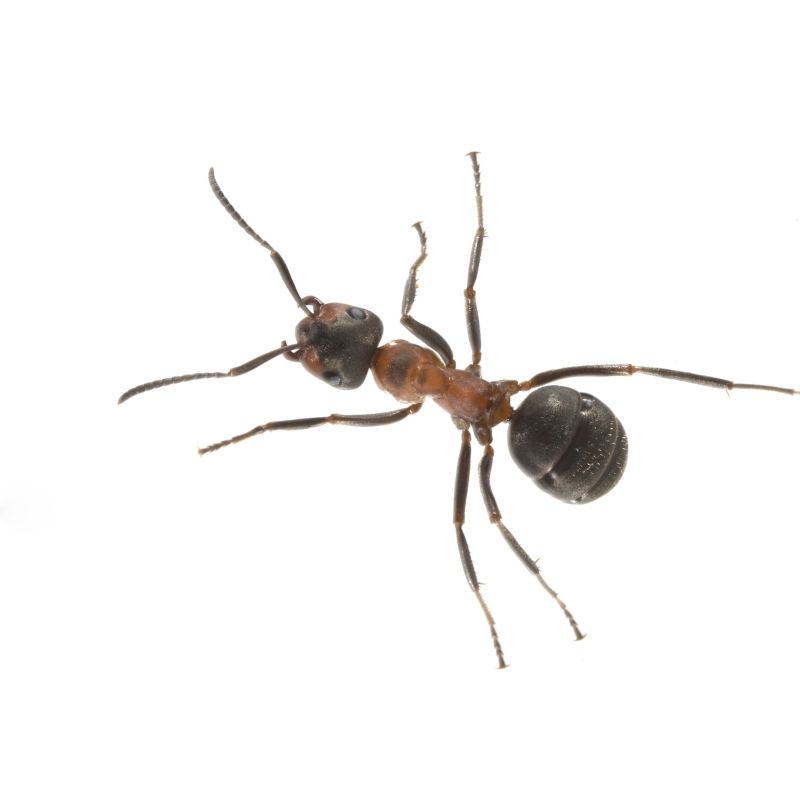
    Enthusiastically social insects, ants typically live in structured nest communities that may be located underground, in ground-level mounds, or in trees. Ant communities are headed by a queen or queens, whose function in life is to lay thousands of eggs that will ensure the survival of the colony. Workers (the ants typically seen by humans) are wingless females that never reproduce, but instead forage for food, care for the queen's offspring, work on the nest, protect the community, and perform many other duties. Male ants often have only one role, mating with the queen. After they have performed this function, they may die. Ants communicate and cooperate by using chemicals that can alert others to danger or lead them to a promising food source. They typically eat nectar, seeds, fungus, or insects. However, some species have diets that are more unusual. Ants may prey on reptiles, birds, or even small mammals.

  • Fly

    Common Flies in New York

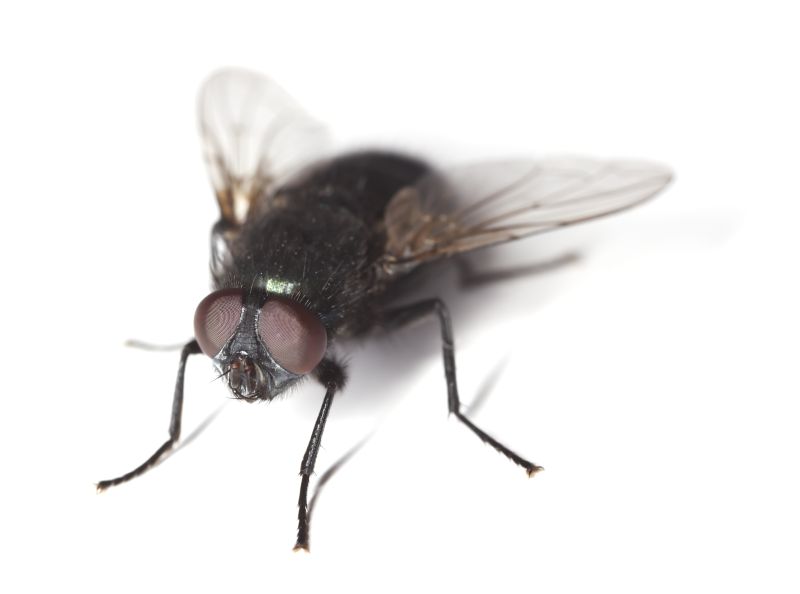
    Flies can regularly be found in homes and businesses across the USA. Some species are more common than others and are attracted to different environments suited to their natural habits and lifecycle. Flies are a common invader in homes and commercial accounts. But they are more than a nuisance. Flies land and feed on filth one moment and food and food preparation areas the next. This behavior lends itself to serious contamination of areas and flies are known to carry over 100 different kinds of disease-causing germs such as typhoid, cholera, Salmonella, bacillary dysentery, tuberculosis, anthrax, ophthalmia, and parasitic worms. Knowing about the size, habits, seasonality and lifecycle of different fly species, can help to identify the most effective prevention and fly control methods .Flies and other pests can contaminate food and food preparation areas and can even spread diseases to your customers and staff.

  • Fruit Flies

    Common Fruit Flies in New York

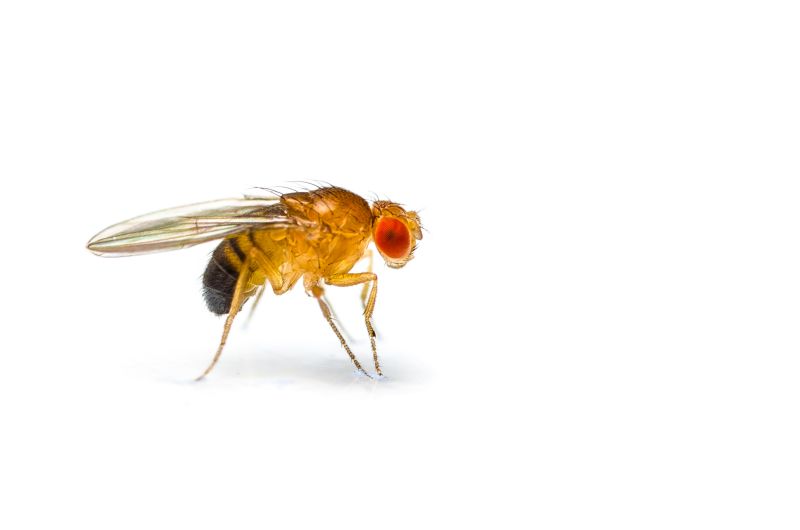
    Fruit flies are a common problem for many homeowners or food establishments and are often seen swarming around kitchen fruit bowls and near garbage storage areas. As the name implies, fruit flies are attracted to fruits, as well as vegetables, sitting out on store shelves, in bowls in kitchens, and ripening in the garden. They also breed in drains, garbage disposals, trash containers, empty beer and soda bottles or cans, and soppy mops and buckets. Fruit flies only need fermenting fruit or a moist film of organic material to breed and thrive. Fruit flies exhibit the typical four-stage insect reproductive of egg-larvae-pupae-adult. The larvae begin feeding on decaying fruit immediately upon hatching. It takes about one to two weeks to complete the entire metamorphosis. What makes fruit flies so difficult to control is that one female fruit fly can lay as many as 500 eggs in her short lifespan.

  • Common Wasps in New York

  • Common Spiders in New York

  • Common Crawling Pests in New York

  • Common Stored Product Pests in New York

    Pests of stored products can refer to any organism that infests and damages stored food, books and documents, fabrics, leather, carpets, and any other dried or preserved item that is not used shortly after it is delivered to a location, or moved regularly. Stored product pests are responsible for the loss of millions of dollars every year in contaminated products, as well as destruction of important documents and heritage artifacts in homes, offices, restaurants, food processing establishments and other important properties. Many of these pests are brought indoors in items that were infested when purchased. Others originate indoors when susceptible items are stored under poor storage conditions, or when stray individual pests gain access to them. Storage pests often go unnoticed because they infest items that are not regularly used and they may be very small in size. Infestations are noticed when the pests emerge from storage, to disperse or sometimes as a result of crowding or after having exhausted a particular food source, and search for new sources of food and harborage. Unexplained occurrences of minute moths and beetles flying in large numbers near stored items, or crawling over countertops, walls and ceilings, powdery residues below and surrounding stored items, and stale odors in pantries and closets can all indicate a possible storage pest infestation. Infestations in stored whole grains or beans can also be detected when these are soaked in water, and hollowed out seeds rise to the surface, along with the adult stages of the pests, and other debris. Other telltale signs are clumping or webbing of particles. It is important to recognize these pests and locate the sources of infestation as soon as possible, to prevent their establishment and spread. This section will cover insects and mites commonly encountered in storage and these can be broadly grouped into stored food (or pantry products), and stored fabric (or closet) pests. However, many of these pests are not restricted to either group and will infest food, fabric, as well as many other similar items of plant or animal origin. Pests of stored food/pantry pests are grouped into insects (beetles, moths) and non-insects (mites). However, large infestations can significantly alter the appearance, taste, flavor and quality of food, as well as create favorable conditions for growth of secondary fungal and bacterial pathogens. Allergic reactions can be produced in sensitive people. Certain general pests such as ants are often attracted to food stored in pantries and may be toxic if consumed in large numbers.

    MOTHS:

    BEETLES:

    WEEVILS:

    MITES:

Specialty Services Provided

Drains fly treatment and control 

Drain flies are small flies which have different names such as sewer flies, moth flies, etc. These are the flies that love dampness and live near the kitchen sinks, bathrooms, drain pipes, sewage pipes, compost and septic tanks as well as indoors. It is necessary to get rid of these insects in order to avoid the drain fly infestation and harm caused by sewer flies. These pests love the organic debris found in sewers, septic tanks, drains, wet brooms and mops, even the soil close to a leaking or ruptured plumbing line.

Eudaimonia pest control specialists with high standards in restaurant, catering business, or other food service operations have developed a management method with unique products and services designed to successfully manage drain fly infestations in commercial facilities, fully compliant with all food safety programs.

Bioremediation and Drain Treatment

Bioremediation is a management technique to remove or neutralize pollutants of a contaminated site. According to EPA, bioremediation is a treatment that uses naturally occurring organisms to break down hazardous substances into less toxic or non toxic substances. Bioremediation products contain bacteria that are infused into drains, drain lines, grease traps and hard-to-clean areas. The living bacteria attach to the surface where they break down organic material that sticks to pipe and tank walls. The bacteria then digest the organic debris, changing it to carbon dioxide and water. Without the living bacteria, the enzymes would simply release the grease into the effluent system. Bacteria continue to reproduce, compounding the benefits of your bioremediation program. The process helps to keep your drains clear and save your business from common problems that can develop from badly maintained drains. Eco-friendly formula is specifically tailored to the food service industry.

Bioremediation Service Program

Bioremediation is an excellent compliment to your existing pest control service. It combines the most effective products with expert service, including:

• Inspection of floors, walls and drains
• Identification of non-drain sites for treatment (walls, grout, behind equipment)
• Treatment of infested drains, problem sites
• Preventive drain line maintenance
• Staff training and education

Bioremediation and drain treatment are a key component to your sanitation program. Food & beverage service managers need to have an active program that manages the sustained threat that accompanies decaying organic matter found in drains and grease traps. Lack of attention to these areas promotes fly infestations that leads to low regulatory scoring, fines, and unhappy clients.

Integrating Eudaimonia Pest Management with your Drain Line Services will provide a proactive program based on the needs of your business.

Fly Control in Commercial kitchens

295145096Flies are a major problem. Many commercial food handling businesses, find themselves fighting fly problems. Any facility that deals with the manufacturing, packaging, storing or serving food products are likely to have continuous fly problems. Unless a pre-planned pest management program is implemented the problems are bound to get worse over time. To combat flies, we have developed an effective targeted strategy for your facility's specific concerns, including clean out services, maintain plan and educating your staff on measures to help deter future fly issues.

Fly Light Service also available

Your fly control program may include fly light trapping service. Our slim profile insect lights use ultraviolet bulbs to attract flies. Once inside the light fixture, flies stick to a non-toxic glue board and are unable to escape. Flies trapped inside are not visible from the outside of the fly light. The glue board traps are replaced on a regular basis by our technicians.

There are a variety of fly light styles available to suit your needs. Fly lights can range from industrial-looking fixtures with shatter-proof bulbs, to more attractive lights designed to blend in with the interior decor. These lights are great for fly control in restaurants, hotels, dining rooms, and other public areas where fly management should be discrete.

EUDAIMONIA Pest Control will physically remove any infestations and take measures to eliminate fly larvae and fly breeding grounds by using biological and chemical treatments. Flies removal involves treating premises and major breeding sites of flies.

Common flies in Food Facilities:

Stored Product or pantry pest control

Facilities that process or store food, are at risk of infestation by stored product insects. These pests can rapidly move throughout a facility to attack dried, stored foods and destroying the products. In addition, some stored product insects create cocoons and webbing that can clog machinery and lead to costly downtime. To combat stored product insects, we have developed an effective targeted strategy for your facility's specific concerns, including clean out, maintain plan and educating your staff on measures to help deter future stored product insect issues. 
Our service specialist focuses its thorough inspection in food storage areas. Then, we will physically remove any infestations, apply residual products and insect growth regulators to provide lasting protection, and install special pheromone monitors to alert us to the potential for a new activity and prevent issues from recurring, building an impervious defense against stored product insects at your facility.

Common Pests In Stored Products: 

BEETLES

Rust-red Flour or Flour Beetle

Cigarette Beetle

Drugstore Beetle

Flat Grain Beetle

Fur Beetle or Carpet Beetle

Golden Spider Beetle 

Lesser Grain Beetle

Larder Beetle

Lesser Mealworm or Litter Beetle

Merchant Grain Beetle

Rove Beetle

Saw Toothed Grain Beetle

Shiny Spider Beetle 

Warehouse or Cabinet Beetle

WEEVIL

Bean Weevil

Coffee Bean Weevil

Granary Weevil

Maize Weevil

Rice Weevil 

 MOTHS

Almond Moth

Indian Meal Moth

Mediterranean Flour Moth

Tobacco Moth

 MITES

Cheese Mites

Flour Mite or Grain Mite

Furniture Mite

Booklice or Psocids

Special deep Harborage Treatments

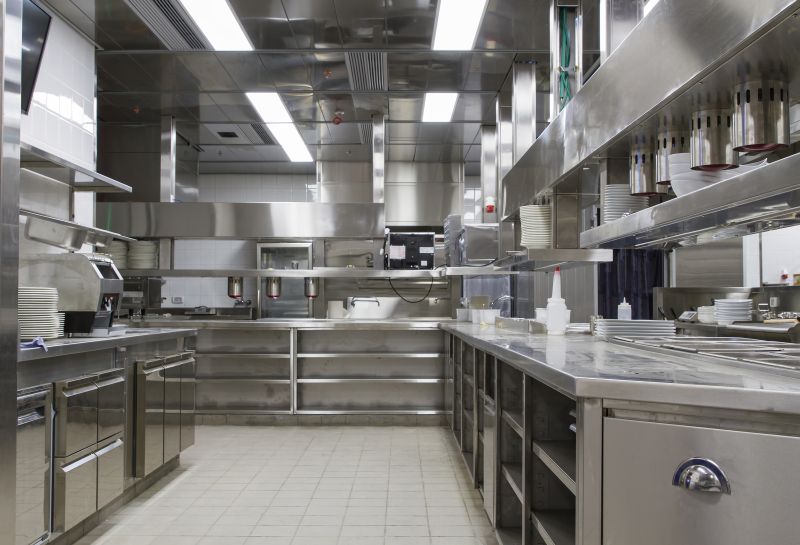
The paradise we know as the commercial kitchen environment has all the makings of the good life for Cockroaches and other pests, food, moisture, heat and harborage. It’s a place where, if left unchecked, cockroaches could theoretically eat, drink and proliferate without end in their stainless-steel shelter. The commercial kitchen can become home to not only German, American, Brown-banded and Oriental cockroaches but also to a variety of insects species. We provide the best pest control method for deep harborage areas, for cockroaches clean out treatments in their stainless-steel shelter.

Common cockroaches in Food Facilities

Rodent pest control in Food Facilities 

In Eudaimonia Pest Control we have the solutions you need to control any rodent situation you are experiencing. We provide Rodent Control in any structure. There is no single "best" way to control rats and mice. Every situation is different. We use a wide variety of rodent control methods including trapping, baiting, exclusion, habitat modification and all IPM methods. Our approach to every job is custom-tailored to the property and the condition.

Common rodents in Food Facilities